
If you continue working after reaching State Pension age, your National Insurance position changes, but your Income Tax obligations largely remain the same. Once you reach State

Bonuses are treated as taxable earnings, so both employers and employees need to understand how they are taxed and reported. For cash bonuses (including vouchers that can be
If your taxable income for the 2026-27 tax year is less than £17,570, you will not pay any tax on the interest you receive. This figure combines the £5,000 starting rate for
If you are self-employed or a member of a partnership, you may be able to claim tax relief when your business makes a loss. There are several ways trading losses can be used, but
Transfers of assets between spouses or civil partners are usually free from Capital Gains Tax (CGT). When you give or sell an asset to your spouse or civil partner, it is treated
Landlords must now comply with an important new legal requirement introduced under the Renters’ Rights Act, which brings significant reform to the private rented sector in England.
Rising costs and economic uncertainty have made cash flow management more important than ever. While many businesses focus on profit, it is cash that determines whether a business
The 2025-26 tax year ended on 5 April 2026, and attention now turns to filing your self-assessment tax return. While many leave this until the last minute, there are advantages to
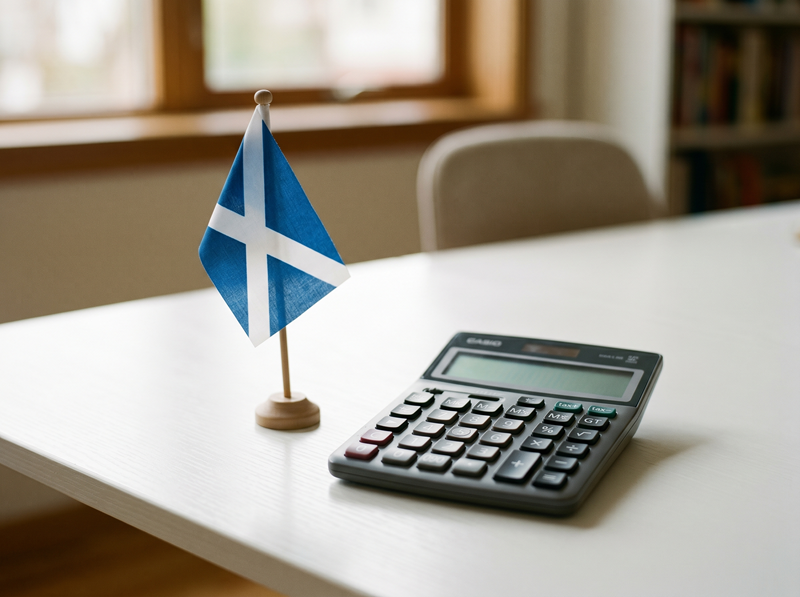
The rules as to who pays Income Tax in Scotland is determined by whether an individual is considered a Scottish taxpayer or not. For most people, determining Scottish taxpayer
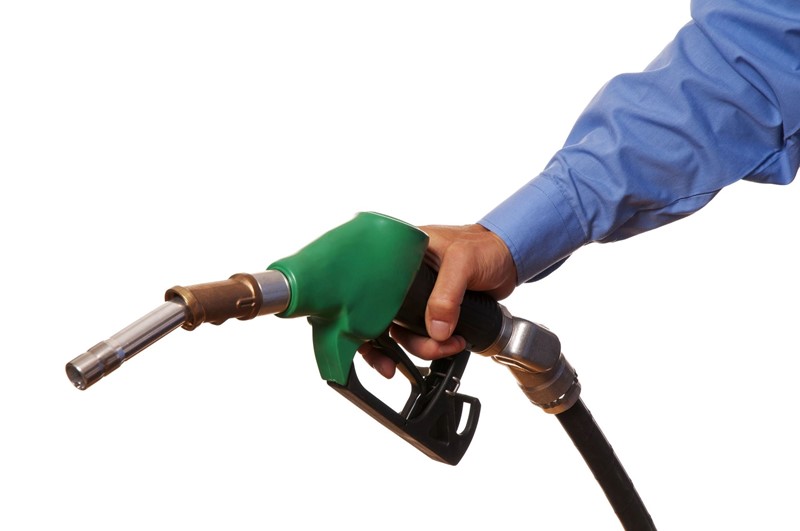
Employees who receive fuel from their employer for private use in a company car can avoid paying the car fuel benefit charge by reimbursing the full cost of the private fuel. This